Building genuine community bonds outside of institutional walls is both a challenge and a triumph — one that survivors navigate every day. When large residential institutions like Rideau Regional Centre closed, the move to community living represented a profound change. But transition is never as simple as a change of address. For many survivors, the harder work began after the institution's doors closed for the last time.
Institutions, for all their failures, provided a consistent physical environment and a structured set of social relationships. Those relationships were often not chosen, and the dynamics within them were shaped by power imbalances and institutional rules. But they were relationships nonetheless — and they anchored daily life in ways that became apparent only when they disappeared.
Community living offers freedoms that institutions cannot: the freedom to go where you choose, to form friendships on your own terms, to participate in neighbourhood life, to come and go according to your own schedule. These freedoms are real and important. They are also, for people who spent formative years in institutional settings, sometimes difficult to navigate. The social scripts that organise community life — how to introduce yourself to neighbours, how to join a community group, how to navigate the informal networks that sustain friendship — are often learned through years of ordinary social participation. Institutional life does not provide those years.
Research on the transition from institutional to community care has consistently found that social isolation is one of the most significant challenges facing people who leave residential facilities. The physical fact of living in a community — in an apartment building, in a supported housing arrangement, in a neighbourhood — does not automatically create connection. Connection requires opportunities, and it requires the social confidence and skills to take advantage of them.
Organisations working with survivors have developed a range of approaches to support community connection. Some focus on structured social activities — regular group outings, skill-building workshops, peer support programmes. Others emphasise the development of natural supports: friendships and relationships that are not professionally mediated, with neighbours, fellow community members, and people encountered through ordinary shared activities.
Memory Witness and Hope itself functions as a community-building project. The act of gathering participants together to work on a shared creative project — to interview each other, to discuss their experiences, to make something together — creates the conditions for genuine connection. Participants who began the project as strangers, united only by the shared fact of institutional experience, have developed working relationships built on mutual recognition and respect.
That mutual recognition matters because it is grounded in a specific kind of shared knowledge. Survivors understand each other's histories in ways that people outside that experience often cannot. The shared language of institutional life — its rhythms, its losses, its particular absurdities — creates a basis for connection that does not require lengthy explanation. Within the project's gatherings, that shared language has been a source of both solidarity and, at times, humour: the lightness that comes from laughing together at things that were once simply endured.
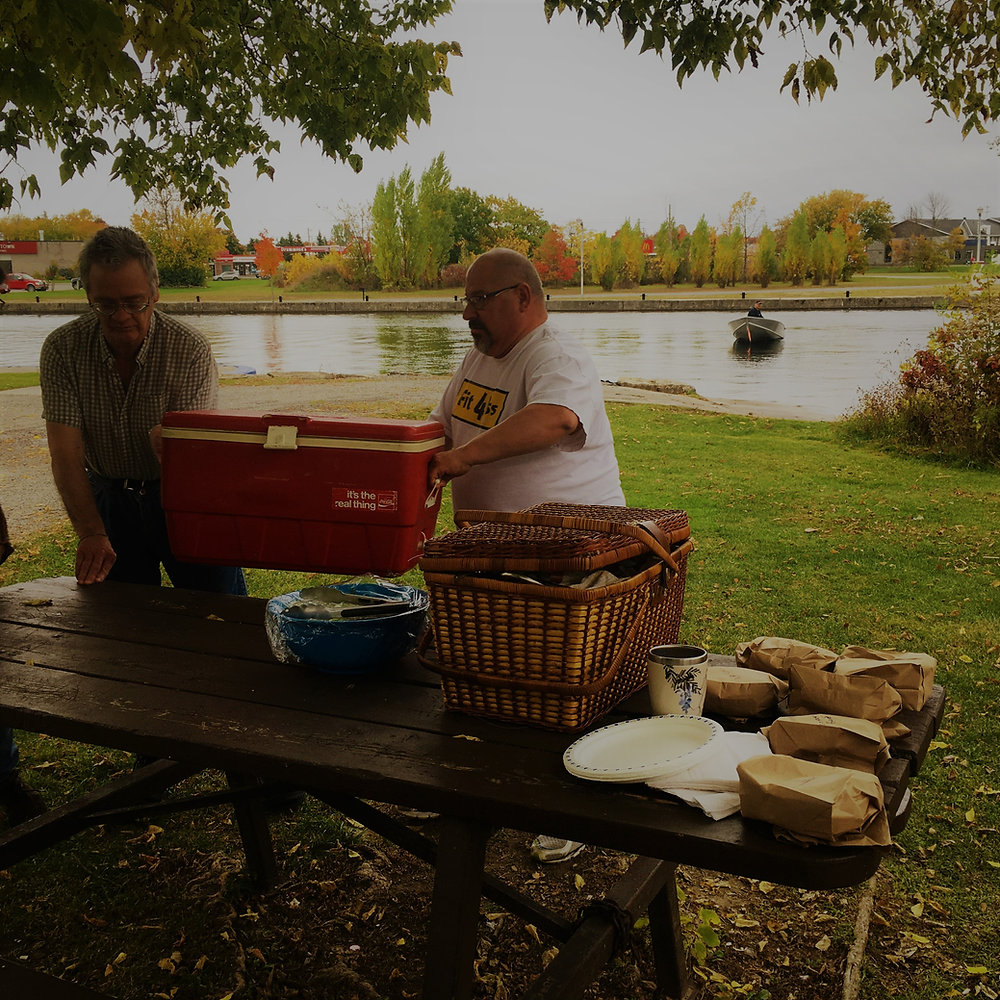
Community is not a destination that survivors arrive at; it is something that is continually being made. Each project gathering, each shared meal, each conversation after a session ends, is a small act of community-making. The larger social changes — in public understanding of disability history, in the design of community support systems — are also important. But the day-to-day work of building belonging happens in small moments, and it is in those moments that MWH participants are doing some of their most important work.